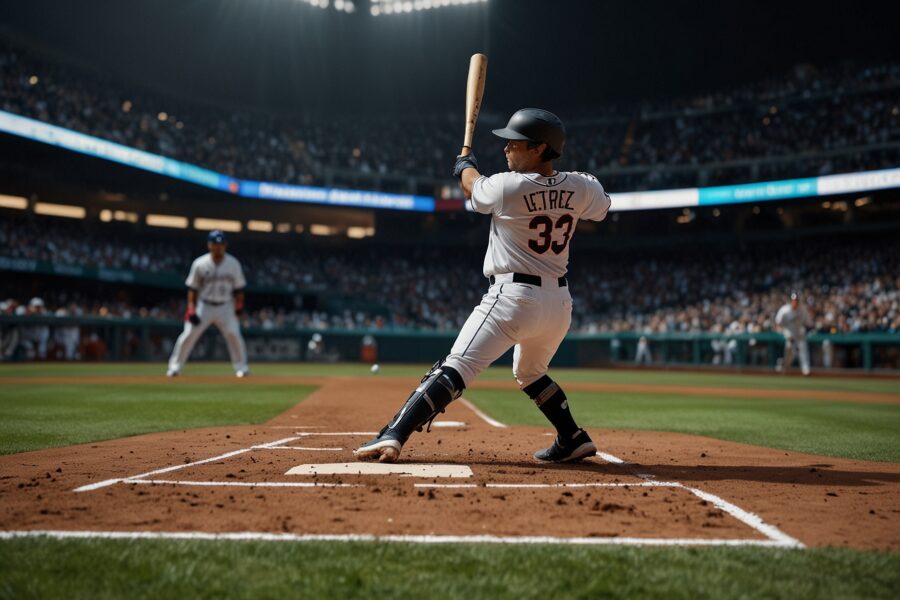
Baseball just entered a new era. Major League Baseball officially debuted its Automated Ball-Strike (ABS) Challenge System during Opening Weekend 2026, and the game will never be the same. The historic first pitch under the new system came during the Yankees-Giants opener on Netflix, marking the biggest rule change in baseball since the pitch clock revolution.
How the ABS Challenge System Works
Here’s the deal: human umpires still call balls and strikes behind the plate, but now players can fight back. Each team starts with two challenges per game. Immediately after a pitch, the batter, pitcher, or catcher can tap their helmet to challenge the call — no dugout help allowed.
Once a challenge is triggered, the system kicks into high gear. Using advanced Hawk-Eye pitch-tracking technology, the ABS analyzes the exact location of the pitch relative to each batter’s personalized strike zone. The result is transmitted over T-Mobile’s 5G network and displayed on the stadium videoboard in near real-time through a slick animated replay. Fans in the stadium and watching at home see the same graphic simultaneously.
If your challenge wins, you keep it. Lose two, and you’re done for the game — unless it goes to extra innings, where teams get a fresh challenge each frame.
Opening Weekend by the Numbers
The spring training data gave us a preview of what to expect. Out of 1,844 challenges tracked during the preseason, 53% were successful. Defensive challenges (pitchers and catchers) proved sharper, winning 60% of the time compared to just 45% for batters. Teams averaged about 4.32 challenges per game, with 2.28 resulting in overturned calls.
These numbers suggest that catchers and pitchers have a better eye for the zone than hitters — or at least they’re picking their battles more wisely. Either way, umpires are getting a real-time accountability check that baseball has never seen before.
Why This Matters Beyond Baseball
MLB’s ABS system is part of a massive wave of AI integration across professional sports. The global market for AI in sports is projected to surge from $7.63 billion in 2025 to nearly $27 billion by 2030, growing at a staggering 28.69% compound annual growth rate. From the upcoming Milano Cortina 2026 Winter Olympics using AI-powered 360-degree replays to the NFL’s next-gen player tracking, technology is fundamentally reshaping how we play and watch sports.
The ABS system isn’t replacing umpires — it’s empowering players to ensure accuracy when it matters most. And with every challenge replayed on the big screen, fans get an unprecedented look at the precision of every single pitch.
The Bottom Line
Love it or hate it, robot umps are officially part of baseball. The ABS Challenge System adds a thrilling new strategic layer to every at-bat, and early results show it’s working exactly as intended. Welcome to the future of America’s pastime.
Stay tuned to FixItWhy.com for the latest trending sports and tech news updated every hour.