
If your dishwasher runs a full cycle but the dishes come out dirty, gritty, or covered in a white film, the cause is almost always one of three things: a clogged filter, blocked spray arms, or water that is not hot enough. The good news is that most of these problems take 15-30 minutes to fix with no special tools. Here are the seven most common reasons your dishwasher is not cleaning, and exactly how to fix each one.
1. The Filter Is Clogged
This is the number one cause. Nearly every modern dishwasher has a removable filter at the bottom that traps food particles. When it cakes over with grease and debris, dirty water gets sprayed right back onto your dishes.
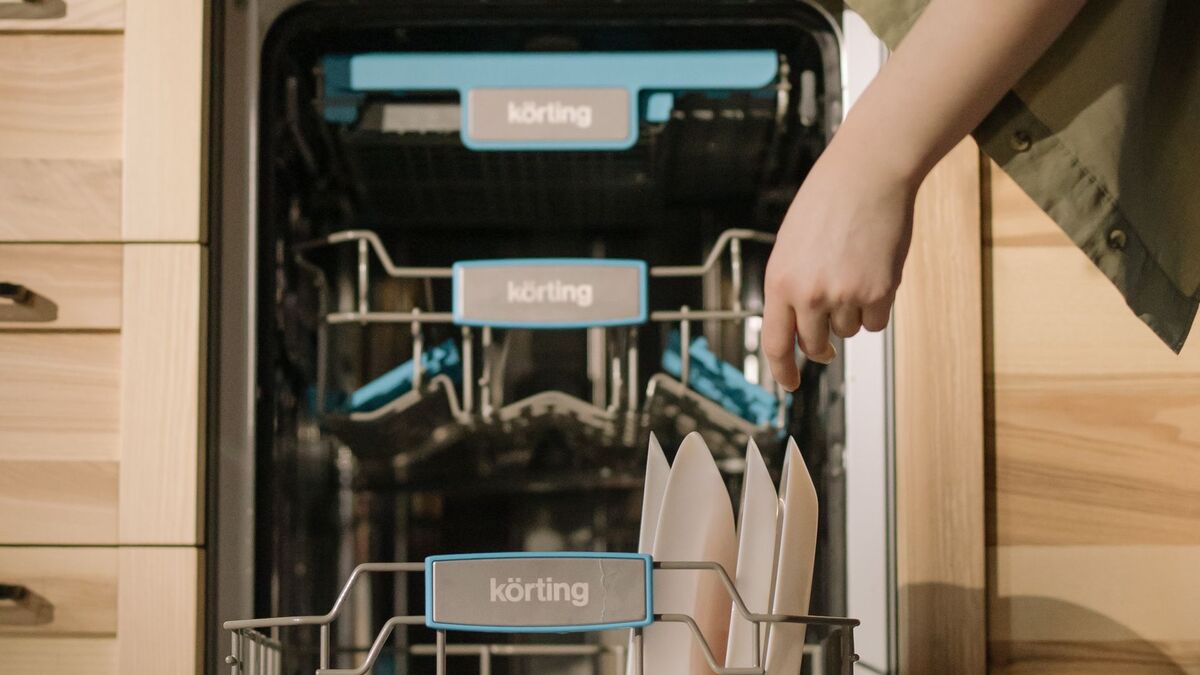
The fix: Pull out the bottom rack and twist the cylindrical filter counterclockwise to remove it. Rinse it under hot running water, and use an old toothbrush with a little dish soap to scrub away trapped gunk. Wipe out the filter housing too, then lock it back in. Do this every few weeks and you will prevent most “not cleaning” complaints.
When to call a pro: Almost never—this is the easiest fix on the list. If the filter looks damaged or cracked, just order a replacement part rather than calling a technician.
2. The Spray Arms Are Blocked
The spray arms shoot jets of water across your dishes. Over time, the tiny holes clog with mineral deposits, seeds, and food bits, so whole sections of the rack never get sprayed.
The fix: Lift out each spray arm (most pop off or unscrew by hand) and hold it up to the light. Poke clogged holes clear with a toothpick or a thin piece of wire, then flush the arm under the tap. While you are there, spin the arms by hand to make sure they rotate freely and are not snagging on a tall pan or utensil.
When to call a pro: If an arm is cracked or no longer spins even when clear, replace it—parts are cheap. A technician is only needed if the arm spins fine but still gets no water, which points to a pump problem (see #6).
3. Hard Water and Skipped Rinse Aid
If your dishes come out with a chalky white film or spotty residue, you are dealing with hard-water minerals, not leftover food. Without rinse aid, water clings to dishes and dries into those familiar cloudy spots.
The fix: Keep the rinse-aid dispenser filled at all times—it makes a dramatic difference. Once a month, run an empty hot cycle with a cup of white vinegar on the top rack or a commercial dishwasher cleaner to dissolve buildup. If your home has very hard water, a quality detergent with a water softener built in helps a lot.
When to call a pro: Not needed. This is a maintenance and product issue, not a mechanical failure.
4. You Are Loading It Wrong
It sounds simple, but loading mistakes cause a huge share of cleaning failures. Overcrowding, nesting bowls together, and placing a big cutting board across the front all block water from reaching other dishes—or stop the spray arm from spinning entirely.
The fix: Face dirty surfaces toward the center, leave space between items, and never let a tall pot or platter block the spray arm. Put plastic on top, and keep large flat items along the sides so they do not shield everything behind them.
When to call a pro: Never—this one is all on us.
5. The Water Is Not Hot Enough
Dishwashers rely on hot water—around 120 to 125°F—to dissolve detergent and cut grease. If the incoming water is cold, detergent will not activate properly and dishes stay greasy.
The fix: Run your kitchen hot-water tap for 15-20 seconds right before starting the dishwasher. This clears the cold water sitting in the pipes so the machine fills with hot water from the first fill. Also check that your water heater is set to about 120°F. If your dishes still feel greasy, use the “heated” or “sanitize” wash option.
When to call a pro: If the dishwasher itself is supposed to heat the water but the cycle stays cold, the heating element may have failed—that is a repair worth a technician’s time.
6. Detergent or Dispenser Problems
Old, clumpy detergent loses its punch, and a dispenser door that does not open mid-cycle means soap never reaches your dishes. Cheap or expired pods are a surprisingly common culprit.
The fix: Use fresh detergent and store it somewhere dry—powder and pods absorb moisture and stop dissolving. Check that the dispenser door is not blocked by a tall item, and make sure the little latch clicks shut. After a cycle, peek inside: if the dispenser is still full of soap, it never opened, which points to a stuck latch or a faulty dispenser solenoid.
When to call a pro: If the dispenser latch is clean and unblocked but still will not release, the dispenser assembly likely needs replacing—a moderate repair best left to a technician unless you are comfortable with appliance parts.
7. Low Water Fill
If the dishwasher is not filling with enough water, the spray arms cannot build the pressure they need to clean. This is usually caused by a clogged inlet screen, a faulty water inlet valve, or a stuck float that tells the machine it is already full.
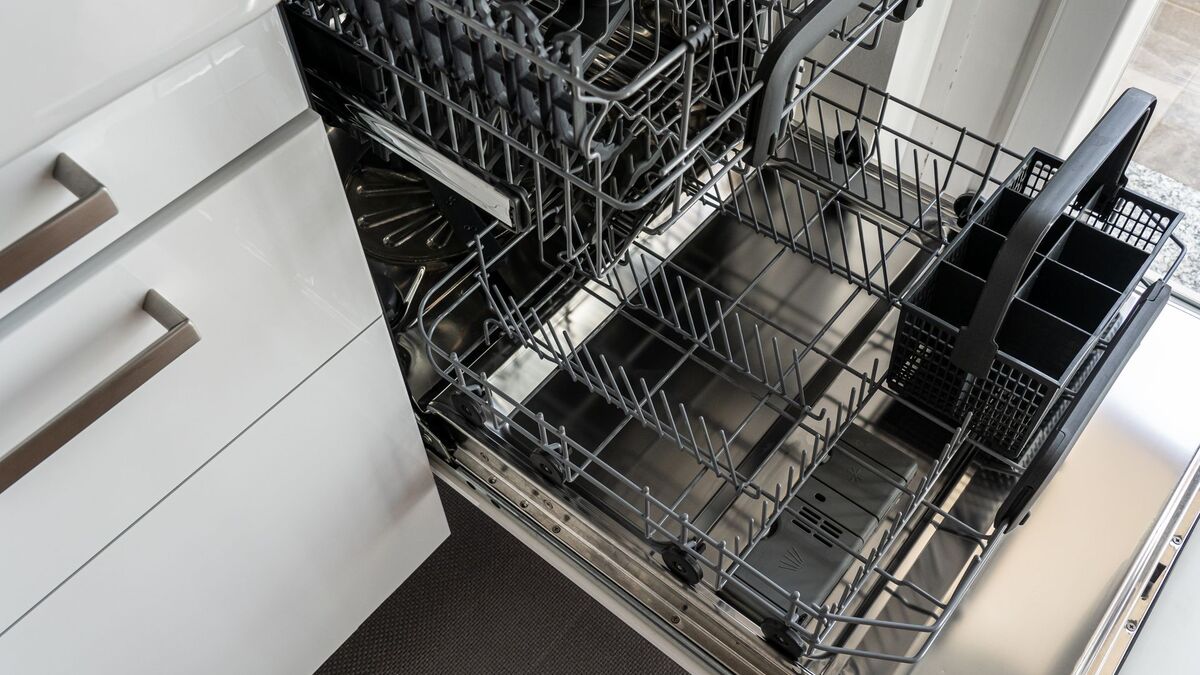
The fix: Locate the float (a small dome or cup on the tub floor) and make sure it moves up and down freely—debris can jam it. Check that the water supply valve under the sink is fully open. If you are handy, you can inspect the inlet valve screen for sediment.
When to call a pro: A failing water inlet valve or circulation pump is the most common reason to call a professional. If the tub barely fills and the float and supply line are fine, have a technician test the valve and pump.
Frequently Asked Questions
Why is my dishwasher leaving white film on dishes?
That chalky film is hard-water mineral buildup, not leftover food. Keep the rinse-aid dispenser full, use a good detergent, and run a monthly cleaning cycle with vinegar or dishwasher cleaner to dissolve the deposits.
Why are my dishes still gritty after a wash?
Grit means food debris is being recirculated, almost always from a clogged filter or blocked spray-arm holes. Clean both, and skip heavy pre-rinsing—modern detergents actually need a little food residue to work against.
Do I need to rinse dishes before loading them?
No. Scrape off large chunks, but pre-rinsing until spotless can actually make cleaning worse, because the detergent enzymes have nothing to latch onto. Scrape, don’t rinse.
When should I just replace the dishwasher?
If you have cleaned the filter, spray arms, and dispenser and the machine still will not fill, heat, or clean—and it is more than 10 years old—a repair bill for a new pump or control board often costs more than the machine is worth.
Related Fixes
- Why Your Dishwasher Won’t Drain — 15-Minute Fix
- How to Repair a Stuck Garbage Disposal
- Why Your Refrigerator Is Leaking Water
- More Home Appliance Fixes
By John Fix, DIY handyman at FixItWhy.