That grinding hum coming from under your sink is one of the most misleading sounds in home repair. Your garbage disposal humming but not working doesn’t mean the motor’s dead – nine times out of ten, it means something’s wedged in there and the flywheel can’t spin. The motor’s getting power just fine. It’s trying. But it’s stuck. Give me about 10 minutes and I’ll walk you through exactly how to unstick it, reset it, and get back to your dishes.
Fixed one on a callout last Tuesday – turned out to be a cherry pit wedged against the impeller, not a dead motor like the homeowner figured. Two minutes with a hex wrench and the thing was running smooth. She’d been hand-washing dishes for a week.
What the Humming Actually Means
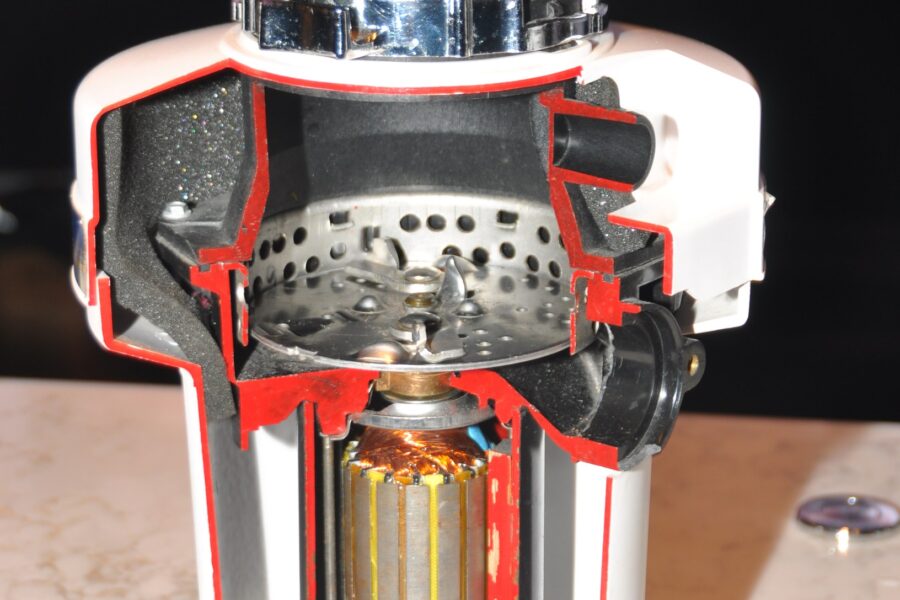
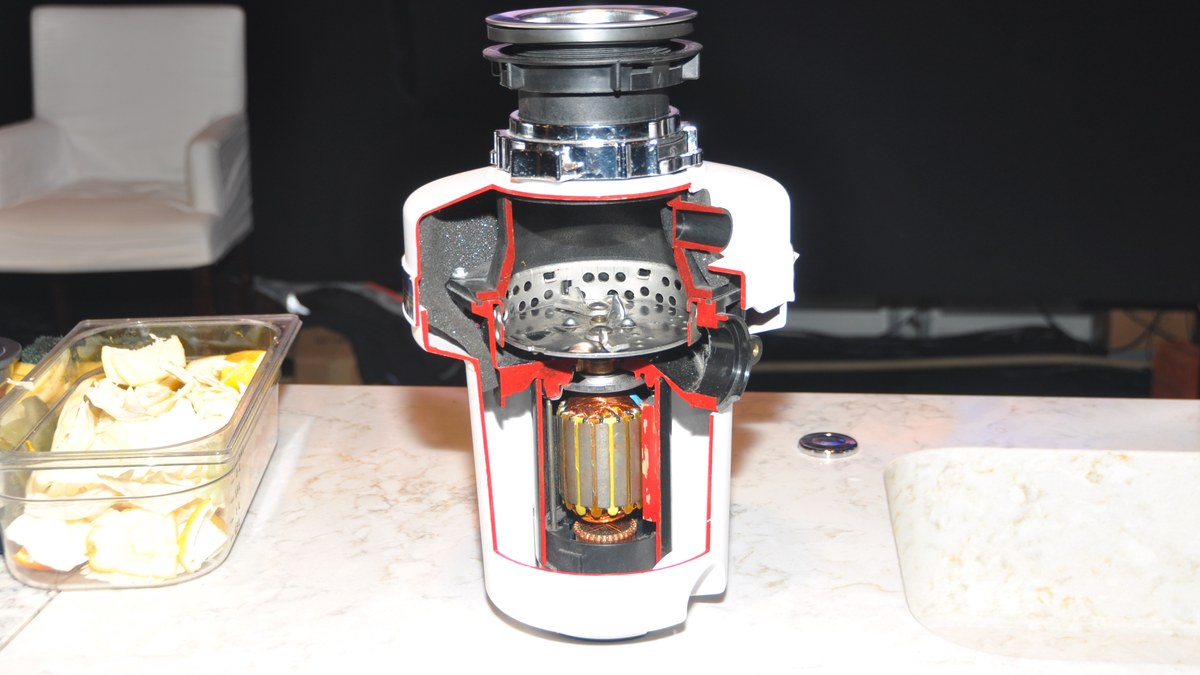
When you flip the switch and hear that low, steady hum – but nothing spins – you’re dealing with a jammed flywheel. The flywheel is the spinning plate inside the chamber that the impeller arms attach to. When a bone fragment, fruit pit, popcorn kernel, twist-tie, or bottle cap gets between the impeller and the shredder ring, the flywheel locks up. The motor gets power, strains against the jam, and hums.
Here’s the part that makes it worse: if you let it keep humming while it’s jammed, the motor overheats. When that happens, an internal thermal overload trips – basically a self-defense mechanism that cuts power to the motor before it burns out. So if your unit has gone quiet after humming for a while, that’s not fixed. That’s overheated.
Don’t confuse this with a totally silent disposal. No sound at all – not even a hum – points to an electrical problem: a dead wall switch, a tripped breaker, a bad outlet, or a motor that’s completely failed. The hum tells you the motor has power. That’s actually good news.
Tools & Parts You’ll Need
- 1/4-inch hex (Allen) wrench – This is what size allen wrench for a garbage disposal you’ll need in almost every case. Most InSinkErator, Moen, and Waste King units use a standard 1/4″ hex socket on the bottom of the unit. Some older models use 3/16″. If you lost the wrench that came with the unit, grab a replacement at Home Depot or Lowe’s for under $5 – they’re usually near the disposal accessories, sometimes labeled a “disposal wrench” or “jam-buster wrench.”
- Flashlight or phone torch – You need to see what’s in there before you start poking around.
- Needle-nose pliers or kitchen tongs – For pulling out whatever’s causing the jam. Long reach, no fingers in the chamber.
- Optional: Allen wrench handle or T-handle – If the jam is stubborn, a T-handle gives you more torque to break it free.
If you find out the motor is shot and you need a replacement, the InSinkErator Badger series runs $90-$130 at Home Depot or Lowe’s and is a solid, no-nonsense swap for most standard sink setups.
How to Unjam a Garbage Disposal, Step by Step
- Kill the power – all of it. Flip the wall switch off. Then either unplug the unit from the outlet under the sink (there’s usually a cord going into the cabinet wall) OR go to your breaker panel and flip the circuit. Do not skip this. Do not trust just the wall switch alone. You are about to put tools near that chamber and the motor needs to be completely de-energized. This is non-negotiable.
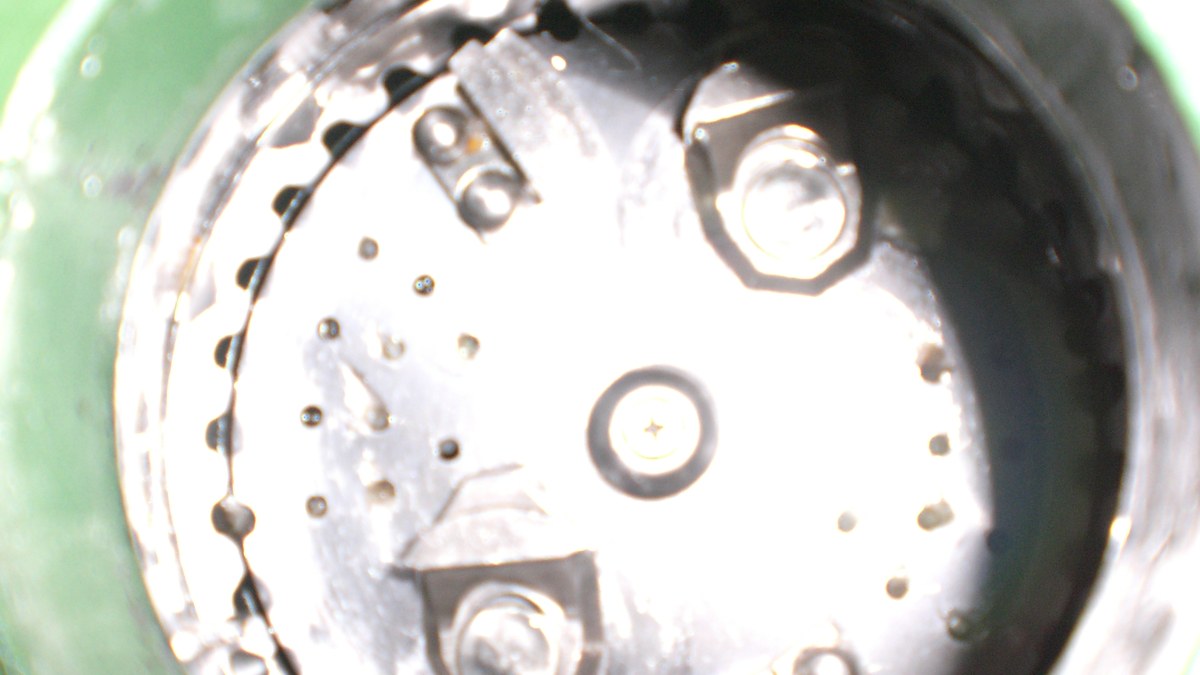
- Look inside with your flashlight. Shine it straight down the drain opening. You’re looking for the obvious offender – a pit, a cap, a bone, anything jammed between the impeller arm and the shredder ring. If you can see it and reach it with needle-nose pliers or tongs, pull it out now. Do not reach in with your bare fingers. The impeller edges will pinch and cut, and more importantly, this is a machine with a motor attached. Tongs only.
- Use the hex wrench to free the flywheel. Crouch under the sink and look at the bottom center of the unit. You’ll see a hex socket – that’s where you insert your 1/4-inch Allen wrench. Work it back and forth, left and right, applying steady pressure. You’re manually rotating the flywheel to break the jam loose. It’ll be stiff at first. Keep going – short back-and-forth strokes – until it starts moving more freely and eventually spins a full rotation without catching.
- Press the red reset button. Still on the bottom of the unit, near the center or edge depending on the model, you’ll see a small red button. If the thermal overload tripped from overheating, that button will have popped out slightly. Press it in firmly until you feel it click. If it won’t stay in, the motor is still too hot – wait 10 to 15 minutes and try again.
- Restore power and test. Plug it back in (or reset the breaker), turn on cold water first, then flip the wall switch. Run it in short bursts – a few seconds on, a few seconds off – rather than letting it run continuously right away. Listen for smooth operation. Cold water helps flush debris and keeps the motor cool during the test run.
What to Check If It’s Still Humming (or Won’t Turn On)
If you’ve done all five steps and it’s still humming without spinning, a few things could be happening:
- The jam isn’t fully cleared. Go back to step 3. Work the Allen wrench more aggressively. Try fishing around again with the tongs – sometimes a small piece stays wedged even after the main obstruction comes out.
- The reset button won’t stay in. The motor is still hot. Give it a full 15 minutes to cool down before pressing it again. Don’t force it – if it keeps popping out after cooling, the thermal overload itself may be failing.
- The start capacitor is bad. Some disposal motors use a start capacitor to kick over. When it fails, the motor hums and tries but can’t get moving. This isn’t a DIY fix – the unit needs to be replaced at that point.
- No hum at all after resetting? Now you’re in electrical territory. Check the outlet under the sink with a different appliance. Check the breaker. Test the wall switch. If none of those are the problem, the motor is dead.
When to Call a Pro or Replace the Disposal
Most jams are a 10-minute DIY fix. But here’s when I’d tell you to stop and get help – or just replace the unit:
- You can’t clear the jam after multiple tries and the flywheel still won’t rotate freely
- You smell burning from the motor (that’s electrical insulation – stop using it immediately)
- The unit is leaking water from the body, not just the drain connection
- The breaker trips every time you run it
- The unit is more than 8-10 years old and has had repeated issues
At that point, a new mid-range disposal from a brand like InSinkErator is usually the smarter financial move over a service call to fix an aging motor.
Frequently Asked Questions
How to fix a garbage disposal that hums but won’t spin?
Turn off power at the wall switch and unplug the unit. Look inside with a flashlight and remove any debris with tongs – never your fingers. Insert a 1/4-inch Allen wrench into the hex socket on the bottom of the disposal and crank back and forth until the flywheel spins freely. Press the red reset button on the bottom, restore power, run cold water, and test in short bursts.
Where is the reset button on a garbage disposal?
The reset button is on the bottom of the disposal unit – look underneath the sink at the base of the unit. It’s a small red or black button, usually near the center or slightly offset. When the thermal overload trips from overheating, it pops out slightly. Press it in until it clicks. If it doesn’t stay in, let the motor cool for 10-15 minutes first.
What size allen wrench for a garbage disposal?
Most disposals – including all major InSinkErator models – use a 1/4-inch hex (Allen) wrench. Some older or smaller units use 3/16 inch. The wrench fits into a socket on the bottom center of the unit. InSinkErator includes one with every new disposal; if you’ve lost yours, replacements are available at Home Depot or Lowe’s for a few dollars.
Is it safe to reach into a garbage disposal?
No – and this one’s important. Even with the power off, you should never put your fingers into the disposal chamber. The impeller edges can cut or pinch, and if someone else unknowingly flips the switch or the power is restored accidentally, the result would be serious. Always use needle-nose pliers, kitchen tongs, or a wooden dowel to remove objects from inside the chamber.
Why does my garbage disposal hum but not turn?
The hum means the motor is receiving electricity but the flywheel – the spinning disc the impellers attach to – is physically jammed and can’t rotate. Common culprits include fruit pits, small bones, popcorn kernels, twist-ties, and bottle caps. If you let it hum while jammed, the motor overheats and the internal thermal overload trips, cutting power. The fix is to manually free the flywheel with an Allen wrench, then reset the overload button.
Sources
- InSinkErator Official Support – Troubleshooting & Repair Guides
- This Old House – How to Repair a Garbage Disposal
- Home Depot How-To – How to Fix a Garbage Disposal
Our Take
A humming disposal is one of those repairs that sounds worse than it is. Nine times out of ten it’s a cherry pit or a twist-tie and two minutes with an Allen wrench. The hex socket on the bottom of the unit is there specifically for this – the manufacturers know it happens. Keep a 1/4-inch Allen wrench in your under-sink drawer and you’ll never be hand-washing dishes for a week over a jammed flywheel. If you hit the reset button, freed the flywheel, cleared the jam, and it’s still fighting you – that’s when you call it and put $100 toward a new unit. Some motors just don’t come back. But most jams? You’ve got this. – John Fix