
By John Fix · Master Handyman · Updated May 11, 2026
It is 2 a.m. and your toilet will not stop running. That quiet hiss, that low gurgle every 45 seconds as the tank tops itself off — it pulled you out of sleep, and now you are standing in the dark wondering how bad the water bill is going to be this month. Here is what I want you to know: nine times out of ten, a running toilet is a worn-out flapper. That part costs $4 at any hardware store, and the fix takes about 20 minutes. You do not need a plumber.
Fixed three of these last Saturday alone. A couple in Naperville called me out because they had been ignoring a running toilet for two months. Their water bill had crept up $55 — all from a 47-cent piece of rubber that had gone soft and was not sealing. Took me twelve minutes including the drive to the hardware store. I showed them how to do it themselves next time. That is really the point.
Why Your Toilet Keeps Running (the Three Real Causes)
Toilets are simple. There are only a handful of parts inside that tank, and only a handful of ways they fail. Here is what I look for, in order of how often I actually see them:
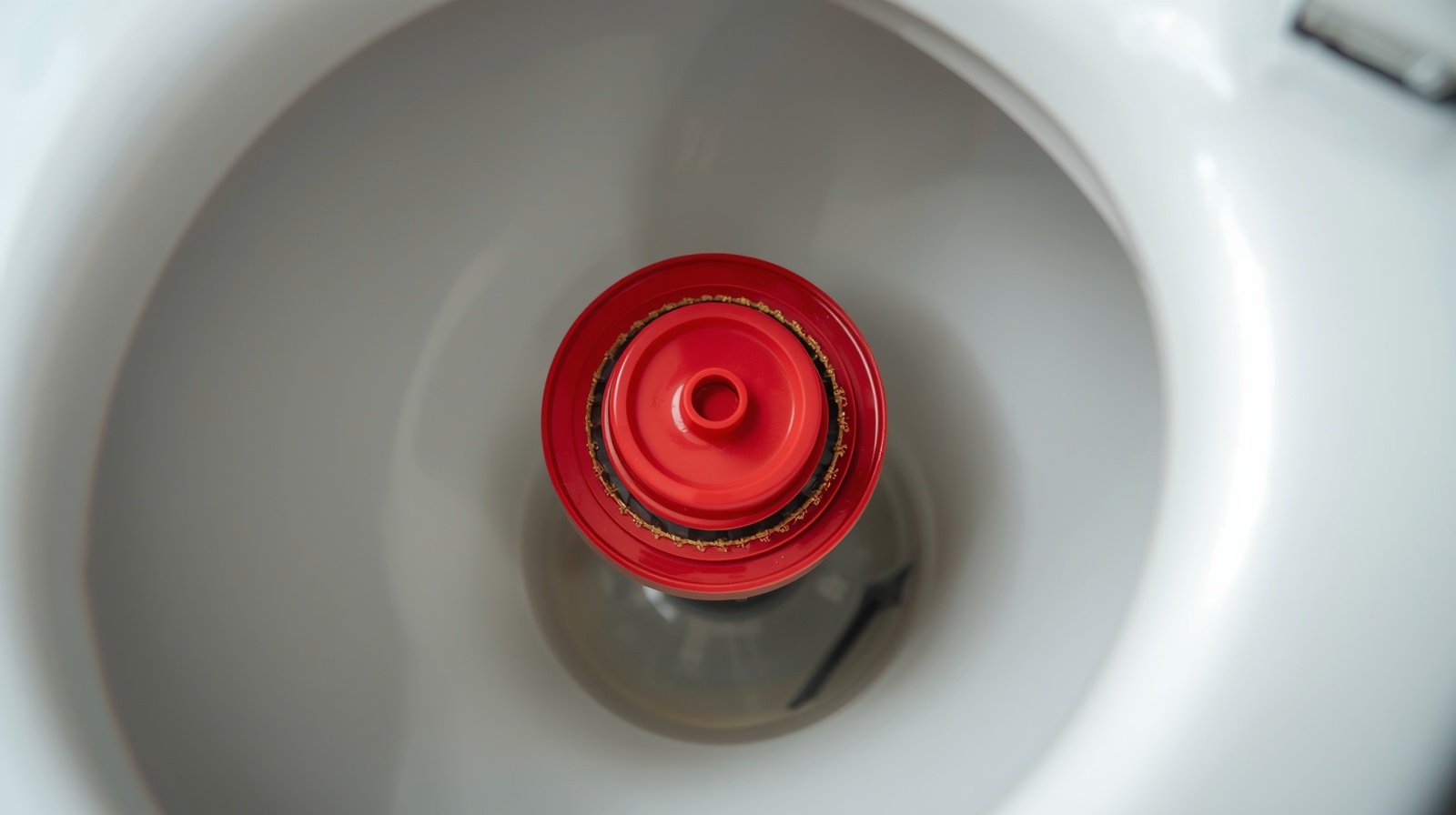
1. Worn or warped flapper. The flapper is the rubber flap at the bottom of the tank that lifts when you flush and drops back down to seal the tank while it refills. Over time — usually 3 to 5 years — rubber breaks down. It warps, cracks, gets coated with mineral deposits, or just loses its shape. When it does not seat flat, water bleeds through constantly and the fill valve runs nonstop. This is the culprit in roughly 70% of running toilets I see.
2. Chain too long, too short, or tangled. The chain connects the flush handle to the flapper. If it is too long, it can get caught under the flapper and hold it open slightly — enough to let water trickle through. If it is too short, the flapper cannot drop down to seat properly. Dead giveaway: you jiggle the handle and the running stops. That is chain interference, almost every time.
3. Float set too high. The float controls the water level. If it is set too high, water rises above the overflow tube and quietly drains into the bowl nonstop. You will notice the water surface is at or above the overflow tube rim. Easy to spot, easy to fix.
4. Failed fill valve. If adjusting the float does not help, or if you hear a whistling or grinding sound from the tank, the fill valve itself is done. They typically last 5 to 7 years. Replacing one takes about 20 minutes and a $10 part.

Tools and Parts You Will Need
- Universal toilet flapper — Korky 2003BP or Fluidmaster 502P21 — $4 to $8 at Home Depot, Lowe’s, or Amazon.
- Toilet fill valve — Fluidmaster 400A — $9 to $14, only if the flapper swap does not fix it.
- Flathead screwdriver
- Adjustable wrench or channel-lock pliers for the supply line locknut.
- Old towel for the floor.
- Flashlight (your phone torch works).
Total parts cost for a typical fix: $5 to $15. Compare that to a $150 to $250 minimum service call from a plumber.
Step-by-Step: How to Fix a Running Toilet
- Step 1: Shut off the water supply.
Turn the shut-off valve behind the toilet clockwise until it stops. Takes five seconds and saves you a soaked floor. Once it is off, flush once to drain the tank.
- Step 2: Lift the tank lid and observe.
Set the lid somewhere it will not fall — they are porcelain, they crack. Look inside with your flashlight. Check the water level relative to the overflow tube. Check where the chain is sitting. Look at the color and condition of the flapper.
- Step 3: Inspect and replace the flapper.
Unhook the flapper ears from the pegs on the overflow tube — no tools needed, just pinch and lift. If discolored or warped, it is done. Snap the new flapper onto the pegs, reconnect the chain with about half an inch of slack.
- Step 4: Check the chain length.
Reach in and lift the flapper manually — does it drop back down cleanly? Reposition the chain hook one link at a time until the flapper drops straight and seats flat. Trim long chains with scissors leaving 3 to 4 inches of slack beyond the clip.
- Step 5: Adjust the float so the water level is right.
Water should sit about an inch below the top of the overflow tube. On a ball-float style, bend the float arm downward slightly. On a cup-float fill valve, pinch the clip and slide the float down the valve body.
- Step 6: Replace the fill valve if needed.
Sponge out remaining water. Disconnect the supply line. Unscrew the locknut under the tank — channel-locks make this easy. Drop in the new Fluidmaster 400A, hand-tighten plus a quarter-turn. Never crank it down hard — you will crack the porcelain.
- Step 7: Turn the water back on and test.
Open the supply valve slowly. Let the tank fill completely. Flush twice and watch the tank refill and shut off cleanly. No hissing, no running.
- Step 8: Wait 20 minutes and listen for ghost flushing.
If you hear the tank topping off on its own, the flapper is not seating. Double-check that it is snapped onto both pegs squarely.
What to Check If the Running Does Not Stop
- Corroded flush valve seat. If the seat is rough or pitted, no flapper will seal. A seat repair kit (about $6) or a full flush valve replacement fixes this.
- Mineral buildup. In hard-water areas, wipe the seat with white vinegar before installing a new flapper.
- Tank-to-bowl bolts seeping. If you see water on the floor around the base of the tank, the rubber washers may be failing.
- Dual-flush button mechanism. Two-button systems require a brand-specific cartridge.
- Water pressure too high. Above 80 PSI can force water past a good flapper. A PRV on the main line is the fix.
When to Call a Plumber (And When Not To)
Most running toilet repairs do not require a licensed plumber. But some do. Call one if you are dealing with:
- A cracked tank — no repair is permanent.
- A cracked bowl — this is a replacement, not a repair.
- A floor flange leak — if the floor is soft or stained, the wax ring may be compromised.
- Supply line corrosion — do not force a corroded shut-off.
- A slab leak — requires a professional.
Everything above this line is a $4 fix. Do not pay $250 for a service call on a flapper.
Frequently Asked Questions
How long should a toilet flapper last?
Typically 3 to 5 years, sometimes longer on soft water. Chlorinated municipal water is hard on rubber. If your toilet is more than four years old and starts running, start with the flapper.
Is a constantly running toilet an emergency?
Not a safety emergency, but it is a money emergency. A running toilet can waste 200 gallons of water a day. At average US water rates, that is $10 to $20 a month going straight down the drain.
How much water does a running toilet waste?
According to EPA WaterSense data, anywhere from 20 to 200 gallons per day depending on the severity of the leak.
Should I replace both the flapper and fill valve at once?
Only if there is a reason. If the flapper is the problem and the fill valve works fine, just do the flapper. On older toilets where the fill valve sounds tired, do both.
Sources
- U.S. EPA WaterSense — Residential toilet water usage and leak waste data.
- Fluidmaster Technical Support — Flapper and fill valve installation guides.
- Korky Repair Resource — Toilet repair guides and part compatibility reference.
- American Society of Plumbing Engineers — Technical standards reference for residential plumbing systems.
Our Point of View
A running toilet is the single most over-billed plumbing repair in the country. Plumbers show up, spend 15 minutes, and bill you a full hour at $150 to $200 minimum. The part costs $6. I do not blame them for running a business, but homeowners deserve to know this one is firmly in the DIY category. Learn this fix once and you will never call a plumber for it again. Twenty minutes, $8 in parts. Own it.
 John Fix
Master handyman and repair technician with 20+ years fixing what other people break. John writes FixItWhy home repair and DIY coverage.