FixItWhy
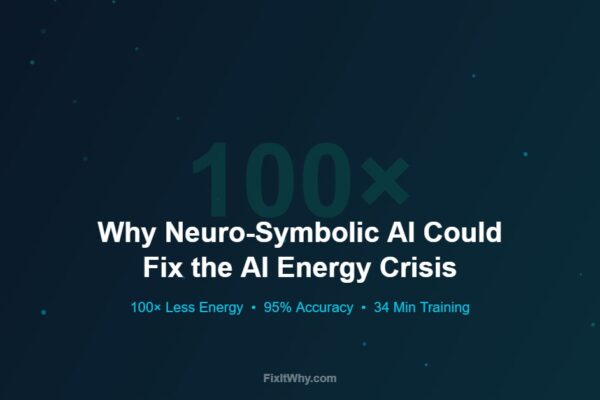
Why Neuro-Symbolic AI Could Finally Fix the AI Energy Crisis — And Why It Matters
Tufts University researchers developed neuro-symbolic AI that cuts energy use by 100x while boosting accuracy to 95%. Learn why this breakthrough could solve the AI data center energy crisis and what it means for the future of artificial intelligence, sustainability, and your electricity bill.
Why World Quantum Day 2026 Should Be a Wake-Up Call for Everyone
World Quantum Day 2026 marks a turning point as quantum computing breakthroughs accelerate the cybersecurity threat timeline. Here’s what you need to know about Q-Day and why experts say the time to prepare is now.

Why Did Trump Post an AI Image of Himself as Jesus — and Why Does It Matter?
Trump posted an AI image depicting himself as Jesus after attacking Pope Leo XIV. Our editorial team breaks down why this matters for faith, politics, and AI ethics.
Why Anthropic’s Mythos AI Is Too Dangerous to Release — And How It Found Thousands of Hidden Vulnerabilities
Anthropic withheld its Mythos Preview AI model from public release after it discovered thousands of zero-day vulnerabilities in every major operating system and browser. Here is why this changes cybersecurity forever.
Why Tech Giants Are Investing Billions in Nuclear Power for AI Data Centers
The artificial intelligence revolution is not just transforming how we work and live — it is fundamentally reshaping the global energy landscape. In 2026, some of the biggest names in technology, including Microsoft, Google, Amazon, and Meta, are pouring billions of dollars into nuclear energy projects. Their goal? To secure reliable, carbon-free electricity for the […]
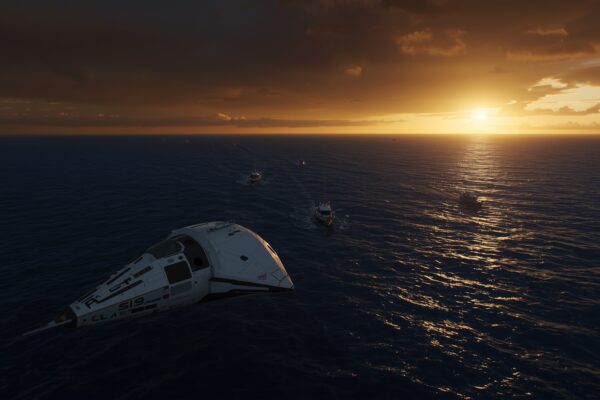
Why the Artemis II Splashdown Changes Everything We Know About Deep Space Travel
By John Fix | April 12, 2026 On April 10, 2026, the Orion spacecraft carrying four astronauts splashed down in the Pacific Ocean near San Diego, California, marking the end of NASA’s Artemis II mission — the first crewed flight beyond low Earth orbit in over fifty years. Commander Reid Wiseman, Pilot Victor Glover, and […]

Why NASA’s Artemis II Moon Mission Changes Everything About Space Exploration
About Mohammad Omar Mohammad Omar is a writer and systems architect who thrives at the intersection of logic and lore. A graduate of South Dakota State University, Omar spends his days designing high-level AI infrastructure for a global tech leader. By night, he trades code for prose, channeling his technical precision into vivid storytelling and […]
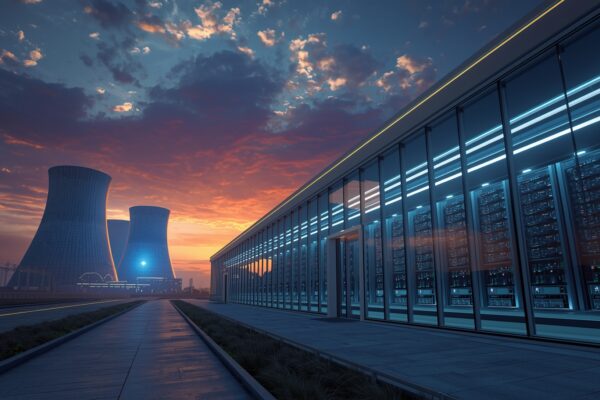
Why Big Tech Is Spending Billions on Nuclear Power to Fuel AI Data Centers
From Microsoft reviving Three Mile Island to Meta signing billion-dollar nuclear deals, big tech is betting on nuclear power to fuel the insatiable energy demands of AI data centers. Here is why this matters for everyone.
Why NASA’s Artemis II Splashdown Changes Everything We Know About Moon Travel
By John Fix | April 11, 2026 | FixItWhy Media On the evening of April 10, 2026, four astronauts aboard NASA’s Orion spacecraft plunged through Earth’s atmosphere at nearly 25,000 miles per hour before splashing down safely in the Pacific Ocean off San Diego. The Artemis II mission was over — and humanity had officially […]
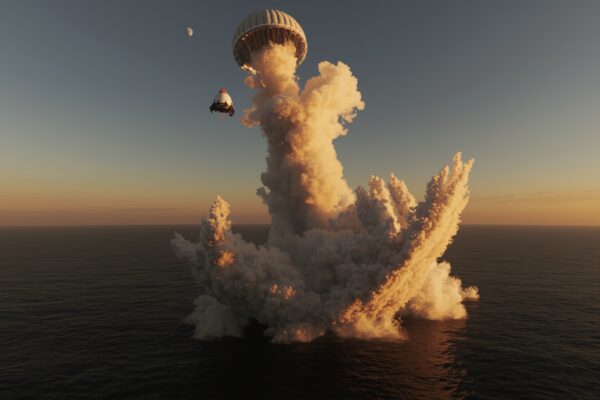
Why the Artemis II Splashdown Changes Everything About Humanity’s Future in Space
The Artemis II mission just brought four astronauts home after a historic 10-day journey around the Moon. Here’s why this splashdown changes everything about humanity’s deep-space future.