
The quick answer: A washing machine usually won’t spin because the load is unbalanced, the water hasn’t drained out, or the lid switch (or door lock) isn’t telling the machine it’s safe to spin. Most of these you can fix yourself in under an hour with no special tools.
A drum full of soaking-wet clothes is the classic sign something stopped the spin cycle. The good news: the cause is almost always one of a handful of common, fixable problems. Work through them in order, from easiest to hardest, before you call anyone. By John Fix, DIY handyman.
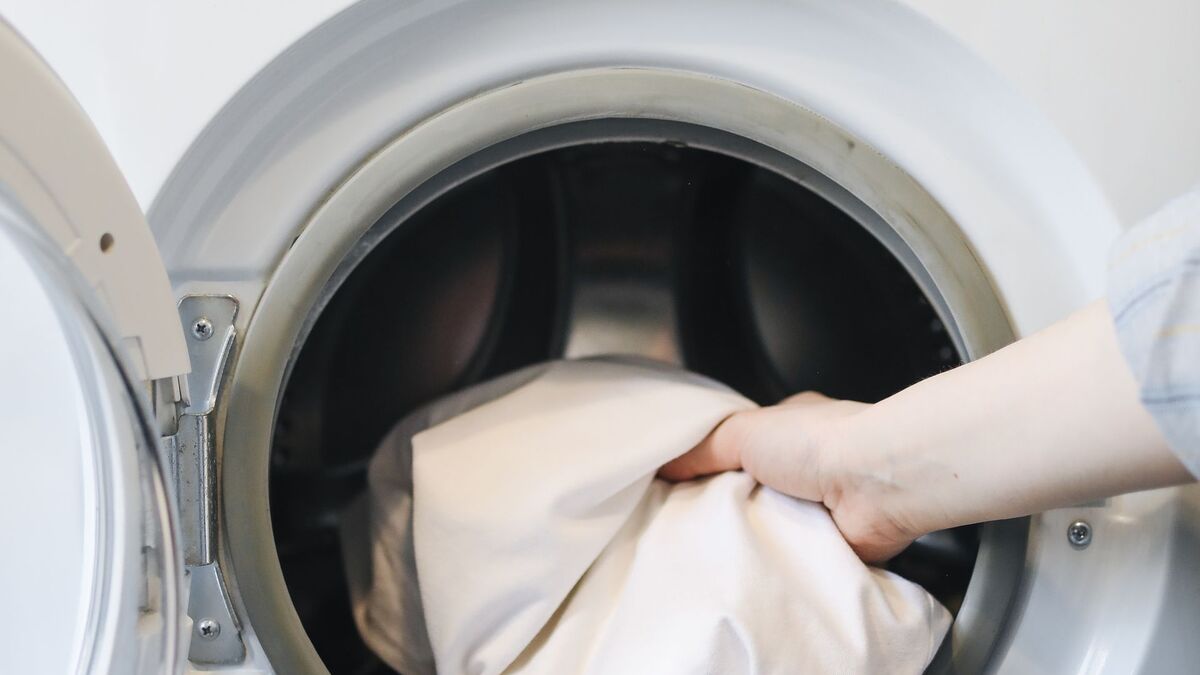
1. The Load Is Unbalanced or Overloaded
This is the number one reason, and the easiest to fix. When clothes clump to one side—especially heavy items like towels, jeans, or a single comforter—the machine senses the wobble and refuses to spin fast to protect itself. Front-loaders and high-efficiency top-loaders are especially picky.
The fix: Open the lid, redistribute the clothes evenly around the drum, and remove a few items if it’s packed full. Restart the spin cycle. Also check that the washer is level—if it rocks, adjust the leveling feet at the base until it sits firmly on the floor.
When to call a pro: Almost never. This is a do-it-yourself fix every time.
2. The Water Didn’t Drain Out
Most washers will not spin until the water is gone. If the tub is still full, you’ve actually got a drainage problem, not a spin problem. A clogged drain hose, a blocked pump filter, or a kinked hose behind the machine are the usual culprits.
The fix: Unplug the washer. Check the drain hose at the back for kinks and straighten it. Clean the pump filter (often a small access panel at the bottom front on front-loaders)—lint, coins, and hair clips love to collect there. If you’re stuck on the draining side, our guide on why your washing machine won’t drain walks through every step.
When to call a pro: If the pump itself is buzzing but not moving water after you’ve cleared the filter, the drain pump may be failing and need replacing.
3. A Failed Lid Switch or Door Lock
For safety, a washer won’t spin unless it knows the lid (top-loader) or door (front-loader) is shut. A small plastic lid switch or an electronic door lock confirms this. When that part wears out or breaks, the machine behaves as if the door is open and skips the spin.
The fix: On a top-loader, press the lid switch by hand (it’s the little plunger under the lid near the rim). If you hear a click but the machine still won’t spin, or you hear no click at all, the switch is likely dead. Replacement switches are inexpensive and usually held in with one or two screws. On front-loaders, inspect the door latch for cracks or a worn strike.
When to call a pro: If replacing the switch doesn’t help, the wiring harness or control board may be at fault—worth a technician’s diagnosis.
4. A Broken or Loose Drive Belt
Belt-driven washers use a rubber belt to turn the drum. Over years of use, the belt stretches, cracks, or slips off its pulley. When that happens the motor runs but the drum doesn’t turn, so you hear the machine working without any spin.
The fix: Unplug the washer and pull it away from the wall. Remove the rear or bottom access panel and look at the belt around the drum pulley. If it’s loose, frayed, or off the track, replace it—belts are cheap and the swap takes 20 to 30 minutes with basic tools.
When to call a pro: If the pulley itself is seized or the bearings are noisy, that’s a bigger repair best left to a pro.
5. A Worn Motor Coupler (Direct-Drive Washers)
Many top-load washers use a plastic-and-rubber motor coupler instead of a belt. It connects the motor to the transmission and is designed to break first if the machine is overloaded—protecting the more expensive parts. A failed coupler means the motor spins but the drum doesn’t.
The fix: The coupler is a cheap part. Replacing it involves removing the cabinet and pulling the motor, which is a moderate DIY job if you’re comfortable following a model-specific repair video. Take photos as you disassemble so reassembly is easy.

When to call a pro: If you’re not comfortable removing the motor, this is a reasonable repair to hand off.
6. A Faulty Control Board or Timer
The control board (or mechanical timer on older units) sequences the wash, drain, and spin steps. If it fails, the machine may fill and wash but never advance to spin, or behave erratically across cycles.
The fix: First, reset the washer—unplug it for one full minute, then plug it back in and run a spin-only cycle. A surprising number of “dead” boards just need a reset. If resets don’t help and every other cause is ruled out, the board may need replacing.
When to call a pro: Control boards are pricey and easy to misdiagnose. Get a technician to confirm before you buy one.
7. A Worn Clutch or Motor Problem
The clutch helps the drum ramp up to spin speed. A worn clutch can leave clothes wetter than usual or make a grinding noise during spin. A failing drive motor can stop the spin entirely and may trip the breaker or smell hot.
The fix: These are advanced repairs. If you smell burning or the motor is hot to the touch, stop using the machine to avoid damage or fire risk.
When to call a pro: Clutch and motor jobs are usually worth a professional, especially weighed against the cost of a new washer.
Frequently Asked Questions
Why is my washer full of water and not spinning? The water has to drain before the spin cycle starts. A clogged pump filter or kinked drain hose is the most common reason. Clear the filter and straighten the hose, then run a spin-only cycle.
Why does my washer agitate but not spin? The wash motion works but the spin doesn’t—classic signs of a broken drive belt, a worn motor coupler, or a failed lid switch. Check the lid switch first since it’s the cheapest and easiest.
Can I fix a washer that won’t spin myself? Often yes. Unbalanced loads, clogged filters, lid switches, and drive belts are all DIY-friendly with basic tools. Motor, clutch, and control-board issues are better left to a pro.
Is it worth repairing a washer that won’t spin? If the machine is under about eight years old and the fix is a belt, coupler, or lid switch, repair is usually well worth it. For an older unit needing a motor or transmission, replacement may make more sense.